

The 250 nationalities that call the city home have helped shape Toronto's culinary scene into something that's truly exceptional. Its recent addition to the Michelin Guide barely scratches the surface of a food scene rich with innovation, history, and style.
In 2022, Toronto became the first Canadian city to receive a Michelin Guide. It's a genuine accolade, but it's also a signal of something bigger: a city that's been building one of the most ambitious culinary scenes in North America for decades, driven not by culinary institutions but by the communities that arrived here and kept cooking the way they always had.
So what happens when those communities share a city long enough? It's not just a collection of parallel traditions running politely side by side. Sometimes it's a true mashup that only tradition and innovation can make possible.
The aptly-named Patois on Dundas West serves an Asian-Caribbean menu you've likely never encountered before, and Liliana on Queen West is Italian technique filtered through a Filipino sensibility. The 2025 Toronto Life best new restaurant list included a Korean-Ecuadorian diner and a Pakistani-Canadian chaat house.
These aren't crossover concepts. They're what happens when a city actually lives its own diversity.
This guide covers the full range: from the $6 peameal bacon sandwich at Carousel Bakery in St. Lawrence Market, made the same way since the 1970s, to the omakase counters holding Michelin stars. Both are Toronto food. Both are worth your time.
Where Toronto Eats First: The Markets
Before restaurants, the markets. Toronto has more than a dozen farmers' markets running across the city at any given time. These are the four most worth knowing, from the world-famous anchor in Old Town to neighbourhood markets that reward a detour.
St. Lawrence Market
National Geographic named it the best food market in the world, and it's been operating on the same block since 1803. St-Lawrence Market is the single most important food stop in Toronto for a first-time visitor.
Best time to go: If you want to avoid crowds, go on a weekday before noon or after 1pm to avoid the local lunch rush. For the full experience, go on Saturday before 10am -- the Farmers' Market in the North Market building makes braving the crowds worth it, offering one of the city's best selections of fresh local produce. Pro tip: visit the Farmers' Market later in the day. Vendors will still have product, but they'll start knocking down the prices.
- Carousel Bakery -- The peameal bacon sandwich is $6-8 and has been made the same way since the 1970s. Join the queue, add the honey mustard.
- Kozlik's Canadian Mustard -- handmade, dozens of varieties, one of the better things to take home.
- St. Urbain Bagel -- Montreal-style, wood-fired bagels. Get the smoked salmon bagelwich on an everything bagel, or the cheddar craigal. Take it to the picnic benches out front, or walk west to Berczy Park.
- Buster's Sea Cove -- East-coast style lobster rolls, worth the detour. Not the cheapest option in St. Lawrence, but the portions are worth the price.
- 120+ vendors across meat, cheese, produce, baked goods, and specialty foods.
Local tip Come hungry, bring a bag. The best producers sell out by noon. The peameal sandwich queue moves fast, join it before you do anything else.
Know before you go: The South Market is open Tuesday through Saturday. Saturday is the only day both the main market and the Farmers' Market run simultaneously.
Nathan Phillips Square Farmers' Market
Right in front of City Hall, June through October. One of the most accessible markets in the city, no transit required if you're anywhere near downtown. Farmers and producers from across Ontario set up on the square weekly, with fresh produce, baked goods, honey, and prepared foods. Live music most weeks.
When: Wednesdays and Thursdays, 8am to 2:30pm, June to October. Getting there: 15-minute walk from Dundas Square, or Queen subway station.
Underpass Park Farmers' Market
One of Toronto's most distinctive market settings, a seasonal market running under the Eastern Avenue overpass in Corktown, five minutes walk from the Distillery District. Volunteer-run since 2017, with a strong focus on local Ontario producers. The park itself is worth visiting for the street art on the concrete columns alone.
When: Thursdays, 4pm to 7:30pm, Victoria Day to Thanksgiving. Getting there: 25-minute walk from Dundas Square, or King streetcar to River Street.
Trinity Bellwoods Farmers' Market
Tucked inside Trinity Bellwoods Park on Queen West, this small Tuesday market is strictly farmer-focused: no crafts, no distributors, no brand promotions. What you get is local produce, eggs, meat, and baked goods from producers who grow what they sell. Best combined with a morning on Queen West -- grab a full "The Breakfast" for $9 at Score on Queen, check out local thrift stores, and hit the market in the early afternoon.
When: Tuesdays, 3pm to 7pm, May to October. Getting there: 25-minute walk from Dundas Square, or Queen streetcar to Shaw Street.
Our Top Picks Around the City
Toronto's food scene covers every price point and every kind of hunger. If you only have 48 hours in Toronto, these are the places to go.
Quick Bites: The Non-Negotiables
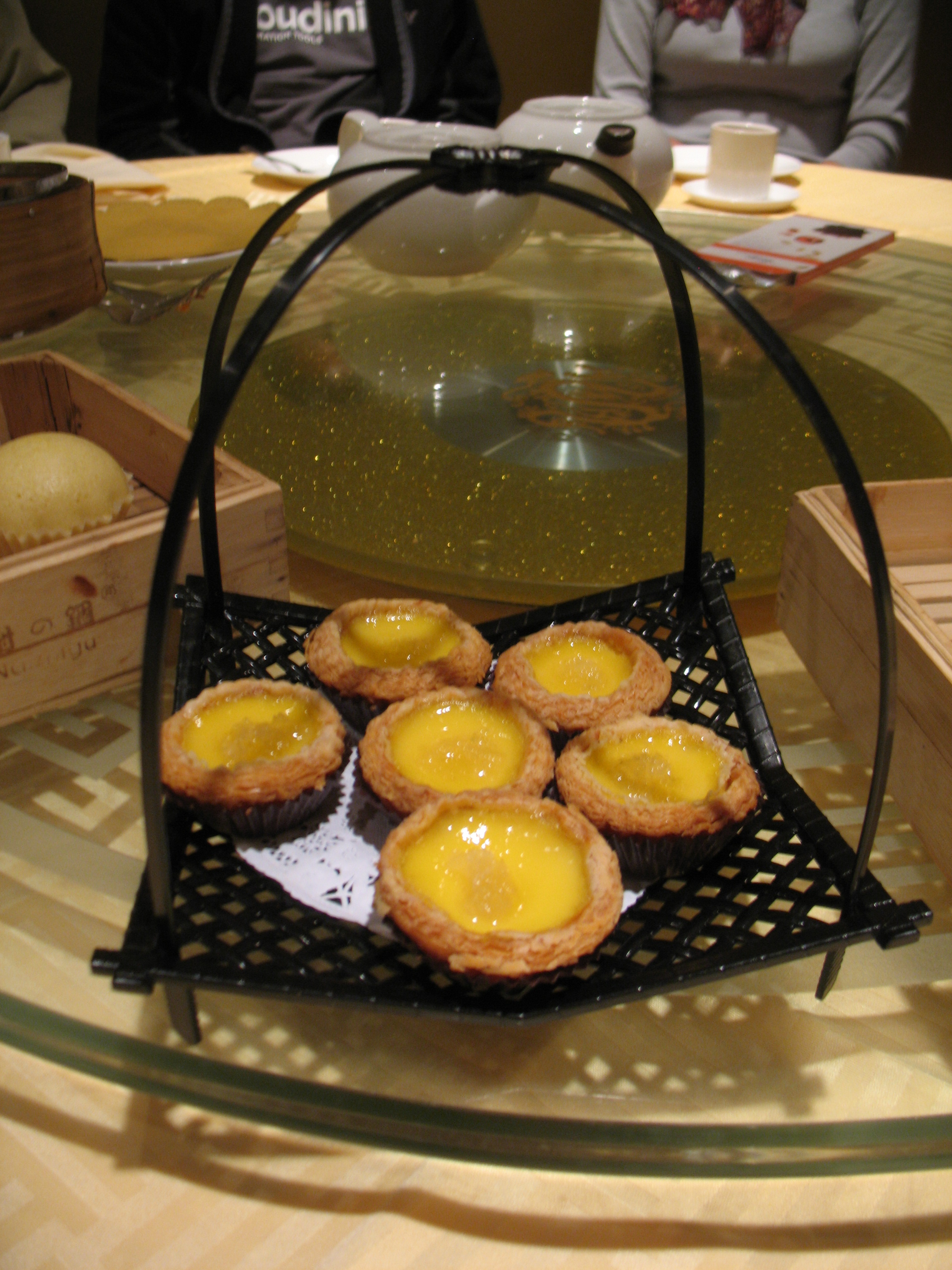
Some of the best eating in Toronto costs under $10. These are the ones worth going out of your way for.
- Egg tart -- Mashion Bakery, Chinatown. $0.50. Portuguese-style, made fresh daily. One of the best bites in the city at any price point.
- Peameal bacon sandwich -- Carousel Bakery, St. Lawrence Market. Back bacon rolled in peameal cornmeal, on a kaiser roll. Made the same way since the 1970s.
- Poutine -- SumiLicious, Steeles Avenue East. Fresh curds, house-made gravy, no fuss. Top with Montreal smoked meat.
- Banh mi -- Nguyen Huong, Spadina Avenue in Chinatown. $5. Proper Vietnamese, nothing fussy about it. Five minutes from Kensington Market.
- Walnut cakes -- Hodo Kwaja, Koreatown (Bloor and Manning). $0.50. Watch them come out of the mould in the window. Buy a bag, eat them on the street.
Worth the Sit-Down
- Patois -- Dundas West. Asian-Caribbean soul food. The menu is unlike anything else in the city. Go for dinner, order everything unfamiliar.
- Famiglia Baldassarre -- Geary Ave. Lunch only, four days a week, arrive before noon or don't arrive. Handmade pasta at the level of somewhere in Bologna.
- Maha's Brunch -- Greenwood Ave. Egyptian brunch that outperforms every brunch option within five kilometres. Cash only. The queue is part of the ritual.
- Sunny's Chinese -- Kensington Market. Michelin Bib Gourmand, hidden inside Kensington Mall, regional Chinese dishes most people walk straight past.
- Lake Inez -- Gerrard Street East. One of the best rooms in the east end. The mystery patio tastings are the reason to go -- six courses with pairings included. The owners are genuinely delightful, and it shows in the room.
- Lahore Tikka House -- Gerrard Street East. Open since 1996. Karahi chicken and seekh kebabs from the outdoor grill. The crowd at 11pm on a Saturday tells you everything.
Michelin Picks
- Alo -- Duncan Street. The consistently top-ranked restaurant in Canada. French-inflected tasting menu, exceptional wine list, reserve weeks in advance.
- Edulis -- Niagara Street. Tiny, forager-focused, ingredient-obsessed. Dinner feels like someone cooked for you specifically. One of the best rooms in the city.
- Sushi Masaki Saito -- Avenue Road. Among the best omakase experiences in North America. Book months ahead.
- DaiLo -- College Street. Modern French-Chinese, one of the most original menus in the city. The dim sum brunch is exceptional.
- Giulietta -- Dundas West. Neighbourhood Italian at Michelin level. Handmade pasta, proper wine list, no fuss about it.
- The Wood Owl -- Danforth Avenue. Arguably the best wine bar in the city, with a constantly flipping menu (check Instagram for the latest), warm and cozy vibes, and incredible food. Unpretentious but consistently excellent.
Kensington Market
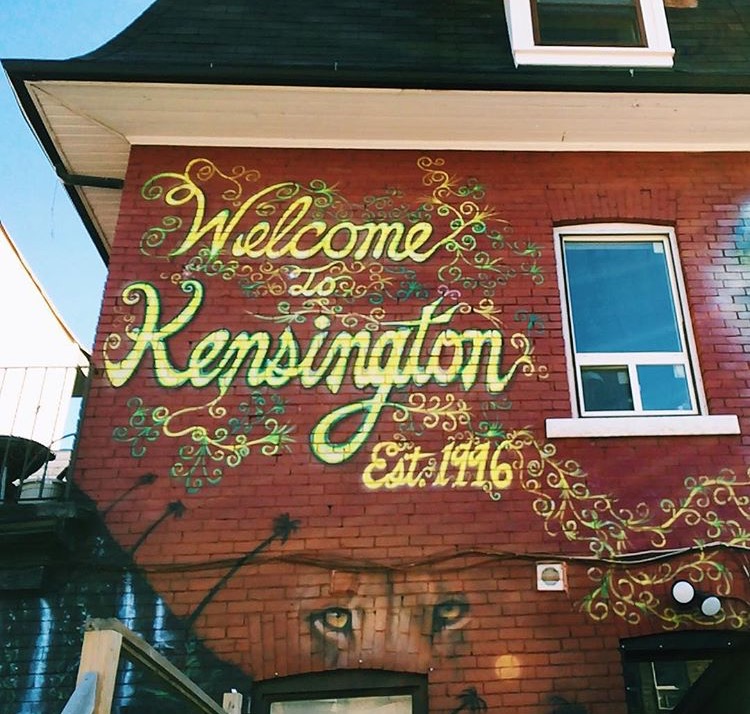
West of Spadina, south of College. 15 minutes on foot from Dundas Square, 10 by transit.
What makes it special: One of the oldest and most culturally layered neighbourhoods in the city. Shaped by successive waves of immigration since the early 1900s and a neighbourhood-wide commitment to unpretentious experiences.
The vibe: Bohemian, unhurried, independent. The city's most eclectic neighbourhood by some distance, offering unbeatable vintage shopping and some of the coolest patios in the city. If you want creative, hippie vibes, there's no better place in Toronto.
Things of note: Pedestrian Sundays run May through October, monthly car-free days when the streets fill with vendors and musicians.
Best places to eat: Seven Lives Tacos (Baja fish tacos, perpetual queue), Sunny's Chinese (Michelin Bib Gourmand, hidden in Kensington Mall), NishDish (Indigenous-owned, fry bread tacos), Grey Gardens (Jen Agg's wine bar, natural wine list). For coffee, try Film Cafe's coconut butter latte. For a quick treat, the brown butter sea salt donut from Dipped Donuts.
Little Portugal and Dundas West
Dundas West runs west from Kensington Market through Little Portugal and into the Ossington strip. About 30 minutes on foot from Dundas Square, 20 by streetcar.
What makes it special: The city's Portuguese community has been here since the 1950s. The food scene that grew from it finally got the attention it deserved in 2025.
The vibe: Independent, unhurried, local. This is where chefs eat on their nights off.
Things of note: The Ossington strip runs parallel one block north. Together they form the city's most interesting dining corridor outside of the tourist core.
Best places to eat: Taberna LX (duck rice, house-cured chorizo, hand-painted tiles), Cafe Belem (the best pasteis de nata in the city), Alma Lusa (grab-and-go bifanas, Toronto's first Portuguese snack bar), Patois (Asian-Caribbean soul food, a Toronto original). Old School offers an incredible brunch, from giant blueberry pancakes to speciality coffee. Their Halloumi Tunes plate is one of the best brunch meals in the area.
Koreatown
Bloor Street between Christie and Bathurst. 35 minutes on foot from Dundas Square, 20 by subway westbound on Line 2.
What makes it special: Canada's largest Korean community lives in and around this stretch of Bloor. The food reflects decades of community, not trend-chasing.
The vibe: Neighbourhood energy with late nights. Locals, students, families, and anyone who knows what they're doing.
Things of note: The strip runs 24 hours in stretches. Norebang (karaoke) rooms open until 4am.
Best places to eat: Hodo Kwaja (walnut cakes, $0.50, watch them made in the window), Owl of Minerva (Korean BBQ, one of the originals on the strip), Korean Village (tofu stew, one of the oldest on the block), Sushi Bong (Korean-Japanese hybrid, late night).
The Annex and Harbord Village
Bloor Street West from Spadina to Bathurst, and the streets below. 25 minutes on foot from Dundas Square, 15 by subway.
What makes it special: University of Toronto borders it to the south. The neighbourhood has been feeding academics, artists, and locals since the 1960s.
The vibe: Intellectual, lived-in, unpretentious. Good for a long lunch and a slow walk.
Things of note: Harbord Street has one of the best small-restaurant strips in the city. Bloor Street has Casa Loma to the north.
Best places to eat: Edulis (Michelin, forager-focused tasting menu, one of the best rooms in Toronto), Famiglia Baldassarre (handmade pasta, lunch only), Harbord Bakery (bread since 1945, the Jewish rye is non-negotiable), Ramen Isshin (serious ramen, the one worth queueing for).
King West
King Street West from Spadina to Bathurst. 25 minutes on foot from Dundas Square, 15 by streetcar.
What makes it special: The city's highest concentration of restaurants by square kilometre. Everything from divey to Michelin, on one strip.
The vibe: Busy, loud, mixed crowd. Friday and Saturday nights are not for the faint of heart, as the city's major bar strip for younger crowds. Weekday lunches are excellent.
Things of note: The TIFF Lightbox is here. Most major Canadian film and media industry events happen on this strip. If you need a car on Friday or Saturday nights, walk a few blocks north or south before you open the app -- most drivers won't come into the heart of it.
Best places to eat: Giulietta (Michelin, handmade pasta, no reservations for bar seating), Alo (best tasting menu in Canada, reserve well in advance), The Carbon Bar (smokehouse, massive space, one of the better BBQ programs in the city), Bar Raval (Spanish-French, the room is worth it alone). For live music, dinner at the Wheatsheaf Tavern -- the oldest bar in Toronto -- and stay until the band kicks off.
Queen West
Queen Street West from University to Bathurst, and the stretch beyond to Ossington. 20 minutes on foot from Dundas Square, 12 by streetcar.
What makes it special: The city's art and independent retail corridor. The food follows the character of the street: eclectic, independent, with one excellent room every few doors.
The vibe: Creative, younger, unpredictable. Walk it with no plan, order every weird menu item you find. Trinity Bellwoods Park anchors the west end, drawing crowds on sunny days. Drake Hotel anchors the culture. Think live music, art-focused coffee houses, and phenomenal people watching from patios.
Things of note: Trinity Bellwoods Park anchors the west end.
Best places to eat: DaiLo (French-Chinese, Michelin, exceptional dim sum brunch), Actinolite (seasonal Canadian, one of the best ingredient-driven menus in the city), Paris Paris (natural wine bar, small plates, the kind of place you end up staying for three hours), Enoteca Sociale (proper Italian wine list, good pasta). For a grab-and-go lunch, the beef brisket sandwich from Good Behaviour or a burger from Matty's Patty's, best enjoyed in the grass in Trinity Bellwoods. For coffee, the cashew butter latte from The Roasted Nut.
Yorkville
Bloor Street between Bay and Avenue Road, and the streets behind it. 20 minutes on foot from Dundas Square, 15 by subway.
What makes it special: The Royal Ontario Museum sits on one end. The Bata Shoe Museum on the other. In between: the city's highest concentration of luxury retail and fine dining.
The vibe: Expensive, curated, good people-watching. The food is excellent if you pick carefully and skip the obvious traps. One of the city's best concentrations of open-air dining, from rooftop terraces to cozy street courtyards.
Things of note: Hazelton Lanes is worth a wander. The streets behind Bloor have some of the best architecture in the city.
Best places to eat: Sushi Masaki Saito (best omakase in Toronto, book months ahead), Osteria Giulia (sister to Giulietta, more refined, same pasta pedigree), Alobar Yorkville (natural wine, good menu, the most relaxed room in the neighbourhood). Goldstruck Coffee is tucked down a flight of stairs directly across from Yorkville Park, offering some of the best coffee in the city. For unpretentious Italian, get a table on the garden patio of Trattoria Nervosa.
The Distillery District
Parliament Street and Mill Street, east of downtown. 30 minutes on foot from Dundas Square, 20 by streetcar on King.
What makes it special: The largest collection of Victorian industrial architecture in North America. Car-free cobblestone streets with a genuine food scene.
The vibe: Walkable, atmospheric, good for groups. Tourists and locals coexist here without friction, but prices reflect the district's long history as a tourist trap.
Things of note: The Toronto Christmas Market transforms the district in November and December and is worth planning around. If you're set on going to the market, go earlier to opening to avoid long lines and overpriced tickets. The selections don't change after the tree lighting.
Best places to eat: El Catrin (Canada's largest mezcal collection, authentic Mexican food that cements the restaurant as the best in Distillery, incredible and ever-changing margarita flights), Mill Street Brewery (brewing in the district since 2002, reliable pint, the best place for families), Cluny Bistro (French brasserie in a heritage space, no fuss), Pure Spirits Oyster House (raw bar, well-chosen wine list, surprisingly excellent desserts). For grab-and-go breakfast, the Piggy's Cluck Sandwich from Brick Street Bakery.
The Waterfront and The Well
Harbourfront to Spadina and King. 30 minutes on foot from Dundas Square, 20 by streetcar.
What makes it special: Incredible views, easy access to Toronto Islands, 3.5km of food options along the boardwalk. Two food destinations worth knowing: Amsterdam Brewhouse on the lake and The Well at King and Spadina.
The vibe: Casual, varied, good for grazing. No single anchor, lots of options.
Things of note: The Well's Wellington Market has 50+ merchants and a proper food court. Good for a rainy afternoon. For a night out in the Well, start at Lulu Bar then walk to Cherry's High Dive. At Harbourfront, get a table as early as you can -- long lines are standard past 3pm in summer.
Best places to eat: Amsterdam Brewhouse (lakeside patio, reliable food, genuinely good views), Wellington Market at The Well (50+ vendors, serious operators, fast-casual to sit-down), Boxcar Social Harbourfront (easy pints and underrated lunch options, tucked between the Harbourfront Centre and Queen's Quay Terminal).
Greektown and The Danforth
Danforth Avenue between Broadview and Jones. 50 minutes on foot from Dundas Square, 25 by subway on Line 2 eastbound.
What makes it special: One of the highest concentrations of restaurants per kilometre in the world. Greeks still define the strip but it's genuinely diverse.
The vibe: Long, leisurely dinners. Neighbourhood regulars and people who know to come east. Expect interesting plates and warm Greek service, even if you're just walking past the restaurant.
Things of note: The Danforth is also one of the most walkable restaurant strips in the city.
Best places to eat: Messini Authentic Gyros (fries in the gyros, the Greek way), Rendez-Vous (Ethiopian doro wot, the standard-bearer in Toronto), Simone's Caribbean Restaurant (oxtail dinner, comfort food that generates genuine devotion). For coffee, craft beer, or live jazz, The Only -- a cafe-meets-dive-bar with a gorgeous back patio.
Scarborough
East end of the city. Not walkable from downtown. 40 minutes by subway on Line 2 eastbound, 30 by cab.
What makes it special: Toronto's food culture at its most authentic. Built by immigrant families in food courts, strip malls, and family-owned rooms.
The vibe: Unpretentious, diverse, real. The best value eating in the city by a significant margin.
Things of note: Worth a day trip on its own terms. Go hungry and without a specific plan.
Pacific Mall
Kennedy Road and Steeles Avenue East, out in Scarborough. Not walkable from downtown -- about 40 minutes by subway or 30 by car or rideshare.
What makes it special: The largest Chinese shopping mall in North America. This isn't a tourist attraction. It's a working food destination built for the community that lives here, and it shows in every counter.
The vibe: Dense, loud, and completely absorbed in itself. You walk in with a vague plan and come out two hours later having eaten four things you can't name but will think about for weeks.
Things of note: Go hungry and go without a specific plan. The food court sprawls across multiple levels and corridors. Let the queues guide you.
Best places to eat: Chongqing hotpot, Lanzhou hand-pulled noodles, Cantonese roast meats, Hong Kong milk tea. The best approach is to walk until something looks right and join whatever line has locals in it.
Scarborough Town Centre
In the heart of Scarborough, accessible from the subway or by car. Same transit window as the rest of Scarborough -- around 40 minutes from downtown.
What makes it special: The food courts here are priced for the community, not for visitors. That's the whole difference between this and anything you'll find closer to downtown.
The vibe: Unpretentious, no-frills, genuinely excellent. The kind of eating that doesn't need a review to fill its seats.
Things of note: The Sri Lankan rice and curry counters are the best in the city. The Vietnamese and Caribbean options are equally serious.
Best places to eat: Sri Lankan rice and curry is the reason to come. Fill the plate, eat it fast, go back for more.
Shawarma Row
Lawrence Avenue East between Warden and Birchmount, in Scarborough's east end.
What makes it special: Several of these spots have been here for decades. They were slow-roasting properly spiced meat long before shawarma became a trend anywhere else in the city, and they have no interest in changing for anyone.
The vibe: Wrapped without ceremony, eaten fast, no atmosphere required. This is the platonic ideal of a shawarma strip.
Things of note: Don't overthink it. Pick the one with the most wear on the counter and order the works.
Best places to eat: Any of the originals on the strip. The spit does the talking.
Markham Road and the Tamil Corridor
Markham Road heading south from Ellesmere, in southeast Scarborough.
What makes it special: Family-run restaurants serving the Tamil community since the 1980s. No equivalent anywhere else in Canada.
The vibe: Completely local, completely its own thing. You're eating in rooms that were never designed for visitors and are better for it.
Things of note: String hoppers, kottu roti, and mutton curry are the anchors. Come with an appetite and let the menu do what it does.
Best places to eat: Ask locally, follow the regulars. The restaurants on this corridor have been feeding the community for forty years and they don't need a recommendation to prove it.
The World on a Plate: Toronto's Cultural Food Scene
- Chinese -- Multiple Chinatowns. The regional depth runs from Cantonese dim sum to Sichuan hotpot to Lanzhou hand-pulled noodles. For massive portions at a great price, check out Congee Queen on Yonge Street.
- Korean -- Koreatown runs along Bloor between Christie and Bathurst. One of the most developed Korean food corridors in North America.
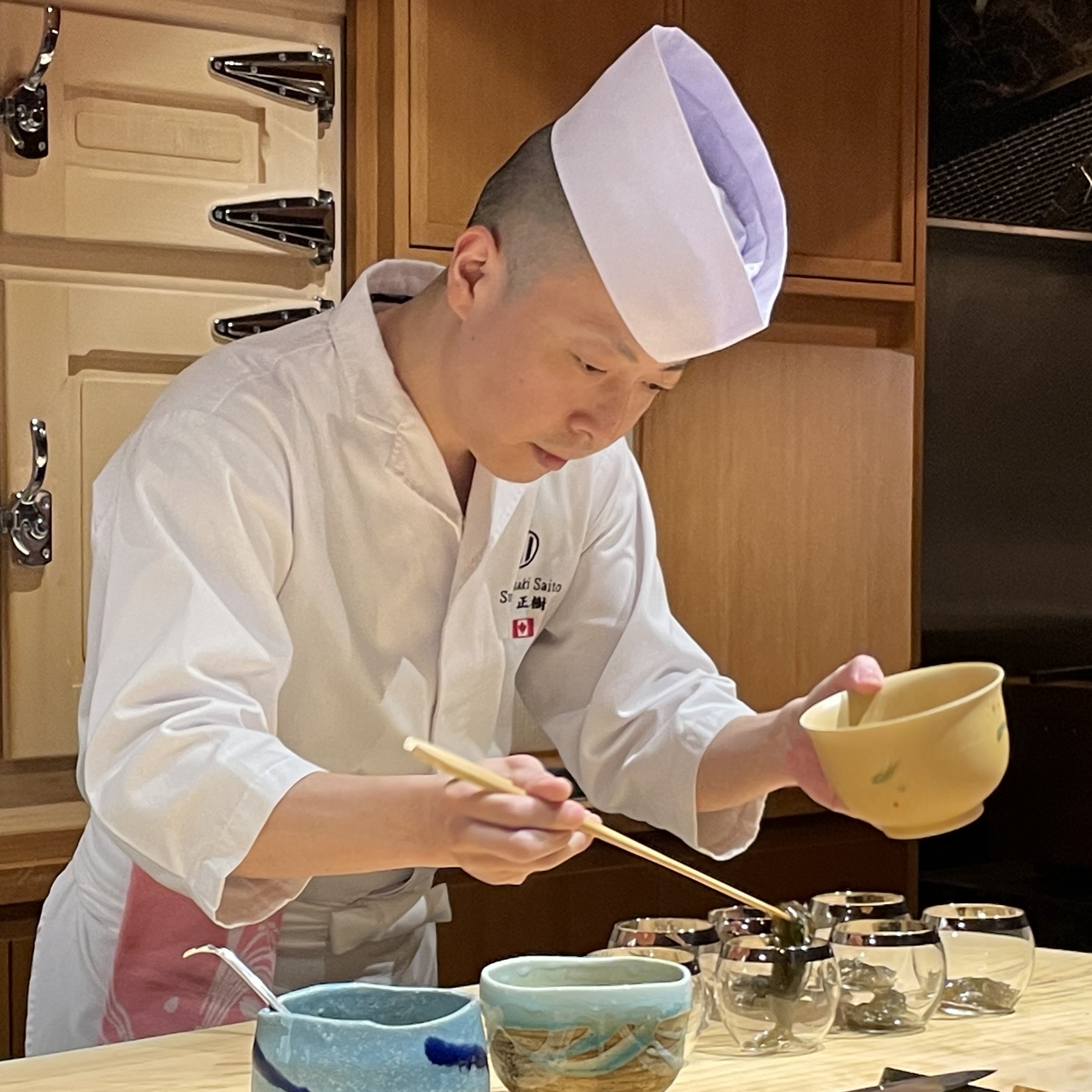
- Japanese -- World-class omakase at Sushi Masaki Saito and Shoushin. A serious izakaya scene anchored by KINKA and Zakkushi.
- South Asian -- Little India on Gerrard Street East is North America's largest South Asian marketplace.
- Caribbean -- A deep corridor running from the Danforth to Eglinton West. Albert's Real Jamaican on St. Clair West has been marinating its jerk chicken for two days before you arrive.
- Portuguese -- Little Portugal on Dundas West is having its moment. Taberna LX, Cafe Belem, Alma Lusa.
- Ethiopian -- Concentrated on the Danforth. Rendez-Vous is the standard-bearer for doro wot in the city.
- Italian -- From the trattorias of Little Italy on College Street to Giulietta on Dundas West and Osteria Giulia in Yorkville.
- French -- Le Selec Bistro on Wellington Street has been the city's anchor French bistro since 1978.
- Canadian -- Peameal bacon at St. Lawrence Market. Wild foraged mushrooms at Edulis. Seasonal Canadian cooking at Ursa and Antler.
- American BBQ -- Adamson Barbecue in Etobicoke is the benchmark: brisket smoked overnight, sold until it runs out. The Carbon Bar on Queen Street East offers Texas-style BBQ a fifteen-minute walk from Union Station.
Food Events in Toronto 2026
Toronto's food festival calendar runs almost year-round. These are the confirmed dates worth planning around.
- Winterlicious -- January 16 to February 1. Prix fixe menus at $25, $35, or $45 across 200+ restaurants. Reservations open two weeks before and the top spots go within hours. Skip the well-known tourist destinations and check local listings instead.
- T.O. Food and Drink Fest -- April 17-19. Metro Toronto Convention Centre, 255 Front Street West. Three days with 200+ exhibitors, chef demos, wine and cocktail tastings.
- Riverside Eats and Beats Streetfest -- June 6. Queen Street East. 50+ east end eateries with food specials, live music, beer gardens. Free admission, very few crowds.
- Summerlicious -- July 3-19. Prix fixe menus at $25, $35, or $45 across 200+ restaurants. Patio season at its peak. Avoid the big-name offerings on local guides.
- Toronto Caribbean Carnival (Caribana) -- July 30 to August 3. The largest Caribbean festival in North America. Caribbean cuisine across the diaspora alongside the Grand Parade. Try SugarKane on the Danforth or Veggie D'Light for Caribbean vegan food.
- Canadian National Exhibition (CNE) -- August 21 to September 7. Exhibition Place. The Food Building is the event within the event: Toronto-specific food chains, deep-fried novelties, and new inventions the city debates for weeks. Embrace the crowds and avoid typical meals -- offerings go viral and change quickly.
- Toronto Christmas Market -- November and December. Distillery District. European-style Christmas market with food vendors, mulled wine, and seasonal fare on cobblestone streets. Book a reservation at one of Distillery's restaurants before 4pm on a weekday, grab a drink, then wander the huts. If you're going on a weekend, bring a warm coat and expect a line.
One Last Thing Before You Eat
Toronto doesn't have a signature dish or a single street everyone tells you to walk down. That's the point.
Pick a neighbourhood you don't know. Walk into something that looks interesting, and try your best not to order what you know. The city rewards the curious and the unhurried.
Head to the spots that call to you and dare to find a place, a meal, or a vibe that fits yours perfectly. It's out there.
FAQ
Are there outdoor markets in Toronto?
Yes, several. St. Lawrence Market's Saturday Farmers' Market is the main event: over 100 local producers running 5am to 3pm every Saturday year-round. Nathan Phillips Square Farmers' Market runs June to October downtown. Underpass Park in Corktown runs Thursdays seasonal. Trinity Bellwoods runs Tuesdays seasonal.
What's the best time of year to visit Toronto for food?
Summer through early fall is peak season. Locals associate Toronto summer with patio dining and grabbing food to eat in parks, so lines tend to be longer at busier locations. That said, Winterlicious in January and February offers prix fixe access to top tables, and eating in a cold city produces genuinely cosy, unhurried meals. There's no bad time, just pack for the season.
Is Toronto good for vegetarian and vegan travellers?
Exceptionally. The density of South Asian, Ethiopian, and Middle Eastern food means plant-based options are built into the cuisine rather than bolted on. Udupi Palace in Little India specialises in South Indian vegetarian. Kensington neighbourhood has more plant-based options per block than almost anywhere in the city. For vegan-focused coffee, check out The Roasted Nut, or health-focused eateries like Impact Kitchen.
How expensive is eating out in Toronto?
The range is wide. Quick bites start at $0.50 and the best market meals run $6 to $15. A solid mid-range dinner runs $40 to $80 per person with drinks. Fine dining at the Michelin tier starts around $150. The city's multicultural food corridors consistently offer the best value, with full meals under $20 that outperform anything at twice the price downtown. Restaurants in tourist destinations -- Harbourfront, Distillery District, Yorkville -- are more expensive, but not by crazy amounts.
Do I need reservations at Toronto restaurants?
For the top tier, yes, and well in advance. Alo, Edulis, and Sushi Masaki Saito book weeks or months out. For mid-range restaurants, same-day or next-day reservations usually work. Lunch is generally walk-in friendly. Say yes to sitting at the bar, even if you're not drinking -- the city's bartenders know where to eat.
Is it easy to get around Toronto's food neighbourhoods without a car?
Yes. The TTC subway connects most of this guide directly. Scarborough requires the subway east on the Bloor-Danforth line. The Distillery District is a short streetcar ride from downtown. The Waterfront and King West are walkable from Union Station. Toronto's rent-and-ride Citibikes are also a great option, but map the route ahead -- construction has closed many bike lanes in recent years.